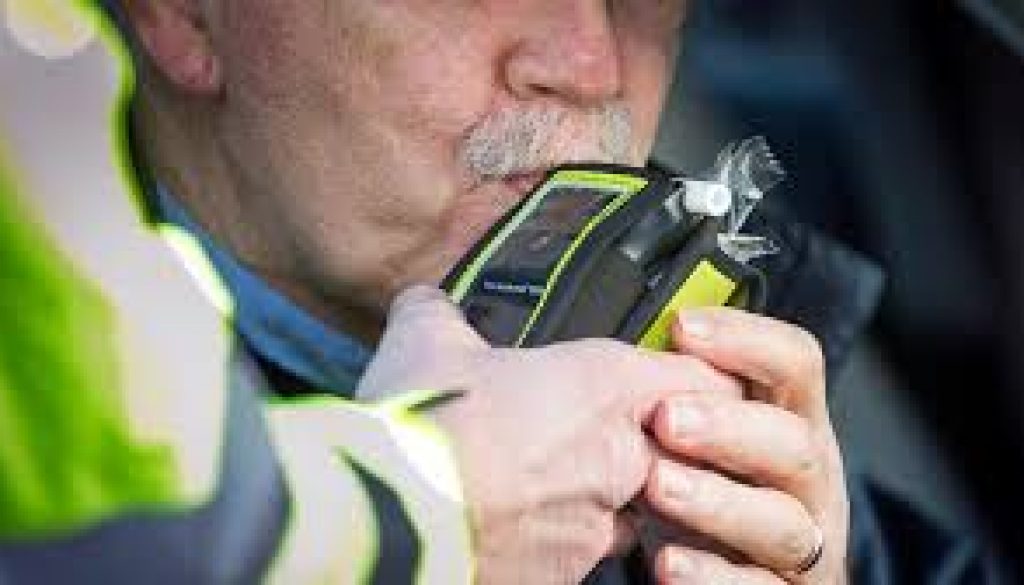
Tips for purchasing a breath analyser
Breath analysers measure specific amounts of alcohol in your breath. They are used to detect alcohol. These are used in health diagnostics and offer a noninvasive solution for detecting other medical conditions as well.
How do breath analysers work?
These devices measure volatile organic compounds, or gases in the exhaled breath. The compounds measure alcohol and detects biomarkers for diseases such as diabetes, asthma and infections.
Most of the devices use sensors or spectroscopy to identify and quantify compounds in the breath.
Semiconductor sensors are cost effective and ideal for personal use, but they are inaccurate in detecting high BAC levels.
Fuel cells sensors are more precise because these oxidize alcohol in the breath and generate an electrical current proportional to the BAC. They are used by law enforcement agencies.
Advanced devices use infrared spectrometry to detect alcohol by measuring its absorption of infrared light.
The advantages of using a breath analyser
- Breath analysis reduce drunk driving because they identify alcohol impairment.
- People can track their alcohol levels and make responsible decisions.
- Portable models give quick results. They are ideal for personal and professional use.
- These tools discourage risky behavior like driving under the influence, thus preventing accidents and making roads safe for everyone.
Types of breath analysers
- Personal models are compact and affordable. They are suitable for casual self monitoring.
- Professional models use fuel cell technology for better accuracy. They’re employed in workplaces or by law enforcement.
- Stationary models are larger and more advanced. You can find them at police stations for evidential testing.
To get an accurate reading from the breath analyzer, it’s essential to wait. The residual alcohol in the mouth might give false high ratings. Ideally the waiting time is 15 to 20 minutes before testing.
It’s necessary to exhale properly for accurate results. To ensure its longevity, regular calibration makes the device stay accurate. Check the manufacturer’s recommendation for frequency of calibration.
There are certain limitations to using great analyzers. BAC in breaths lags slightly behind blood alcohol levels and it can be affected by external factors like residual food in the mouth. Metabolism can impact results. Some people process alcohol at different rate which influences impairment levels.
Breath analysers are useful for individuals who want to monitor their alcohol intake before they decide to drive or perform activities that require alertness.
These are essential to identify intoxicated drivers and prevent accidents.
Employers working in safety sensitive industries can use these devices to enforce alcohol policies. It helps keep the workplace safe. Employers should be responsible for the safety of all individuals working in their premises.
Maintaining your breath analyser
- Clean the mouthpiece regularly and wash it with warm water to prevent germs.
- Store properly in a cool and dry place away from extreme temperatures.
- Schedule regular calibrations as per the manufacturer’s guidelines to ensure accuracy.
Breathalysers are essential tools for enhancing personal responsibility and public safety. Whether used for personal monitoring or in a professional setting, it’s essential to understand its limitation and make informed decisions.